
VIFC-HCMC positions itself as gateway for international capital flows into Vietnam
According to Assoc. Prof. Dr. Nguyen Huu Huan, Vice Chairman of the Executive Authority of the VIFC-HCMC, international capital plays an important role in achieving Vietnam's target of double-digit economic growth.
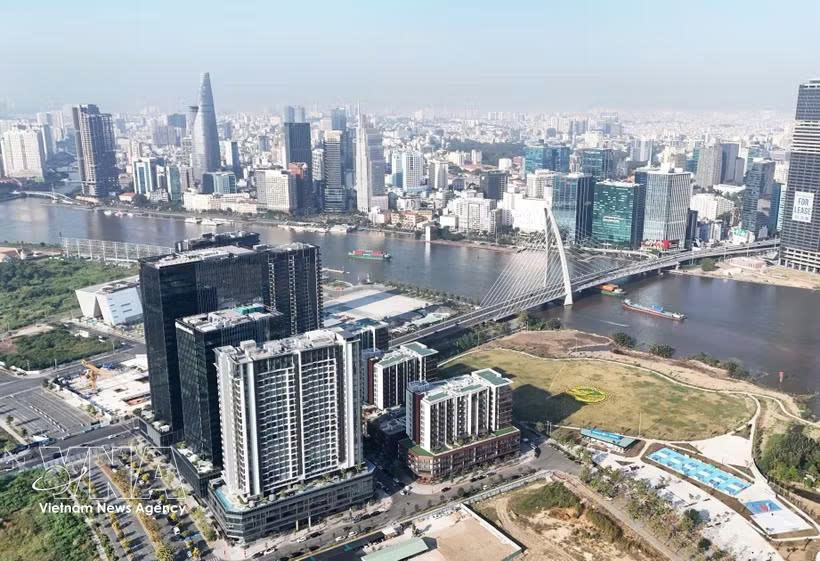
The Vietnam International Financial Centre in Ho Chi Minh City (VIFC-HCMC) aims to become a key hub connecting regional capital flows with investment opportunities in the real economy, rather than competing directly with established financial centres.
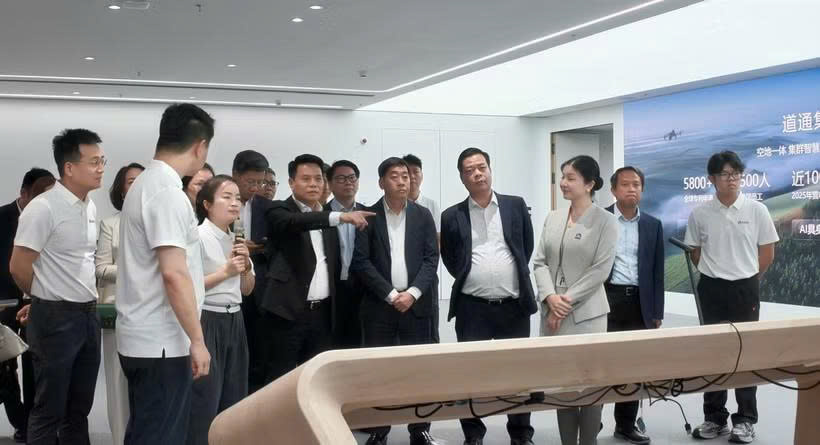
This vision was presented at a promotional seminar on VIFC-HCMC held in Singapore as part of Singapore FinTech Festival 2026.
According to Assoc. Prof. Dr. Nguyen Huu Huan, Vice Chairman of the Executive Authority of the VIFC-HCMC, international capital plays an important role in achieving Vietnam's target of double-digit economic growth. Massive investment needs in transport infrastructure, energy and green transformation require diversified capital mobilisation channels and stronger links between international investors and domestic projects and investment opportunities.
In response to these needs, VIFC-HCMC has identified the development of a diverse range of financial products as a priority. These include investment funds, international bond markets, financial technology (fintech) linked to a regulatory sandbox mechanism, and commodity exchanges.
Specialised financial services, such as maritime finance, aviation finance and green finance, are also part of its development strategy, helping expand service offerings and attract specialised capital flows.
To attract international financial institutions, VIFC-HCMC aims to establish an operating environment featuring flexible mechanisms, tax incentives and streamlined investment approval procedures. At the same time, integrating traditional financial markets with modern financial models must go hand in hand with sound governance, transparency and risk management, laying the groundwork for international capital to participate in the market safely and effectively.
Nguyen Thanh Tuyen, founder and CEO of SLEI, highlighted the potential for connecting regional financial resources with sectors capable of generating long-term value in Vietnam.
According to her, deep technology, green transition, maritime infrastructure and aviation are sectors offering considerable scope for cooperation and investment. VIFC-HCMC could serve as a bridge directing capital towards production, business activities and the development of the real economy.
A flexible, co-creation approach among partners would generate greater value than focusing solely on growth expectations, she noted.
This is a golden opportunity for investors to see the bigger picture, Tuyen said.
A notable feature of VIFC-HCMC's development strategy is its choice of a complementary and mutually reinforcing model, rather than directly competing with existing financial centres or replicating established models.
This approach was also highlighted during discussions at the Singapore seminar on the prospects for regional financial centres and the infrastructure needed to ensure safe and efficient capital flows.
According to VIFC-HCMC representatives, Singapore has advantages in terms of capital market depth and asset management expertise, while Ho Chi Minh City boasts a rapidly growing real economy and substantial capital requirements. The two markets could complement each other by linking international financial capabilities with investment opportunities in Vietnam.
A concrete step towards expanding its international partnership network was the exchange of a letter of intent (LOI) for the VIFC-SLEI Voyage initiative in Singapore by Huan and Tuyen.
Under the proposed arrangement, VIFC-HCMC and SLEI plan to jointly develop investment promotion programmes and connect the centre with networks of financial institutions in key markets.
The initiative will broaden outreach to investors, ranging from banks and private wealth management institutions to venture capital funds and fintech companies.
Through this initiative, the two sides expect to diversify their investor networks, attract high-quality foreign direct investment (FDI) with long-term commitments, and bring investment opportunities in Vietnam closer to the international financial community.
Source: VNA
Original link