
Vietnam emerges as ASEAN’s innovation, investment hub
Ei Sun OH, Principal Adviser for the Pacific Research Centre of Malaysia, described Vietnam as the most outstanding economy in Southeast Asia, drawing substantial foreign investment and achieving rapid growth.
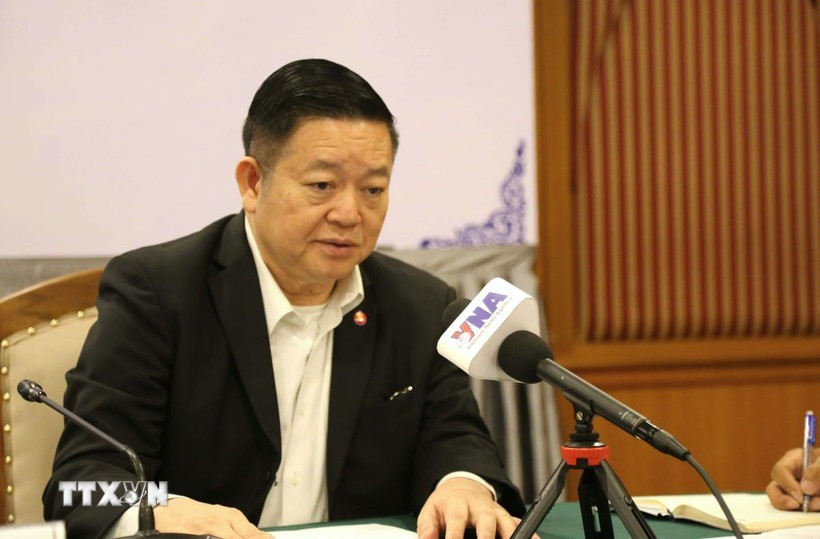
Kuala Lumpur (VNA) – As ASEAN economies are shifting toward knowledge-based growth, Vietnam is increasingly recognised by regional experts and leaders as a rising economic and technological driver.
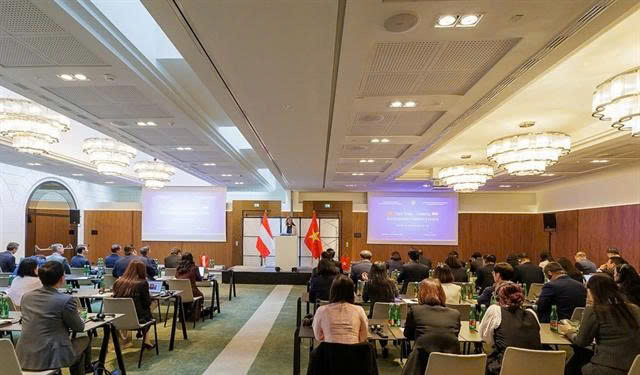
At the Cyberjaya Conversations Summit 2025 held in Kuala Lumpur on December 3, speakers discussed ASEAN’s long-term competitiveness and highlighted Vietnam’s strong economic performance, investment appeal, and innovation capacity.
ASEAN Secretary-General Dr. Kao Kim Hourn noted the region’s marked improvement in the Global Innovation Index (GII), with six member states ranked among the world’s top 60 innovators.
He underlined that Vietnam and Indonesia are exceeding expectations in the GII rankings. ASEAN attracted around 230 billion USD in FDI in 2024, led by Singapore, Indonesia, and Vietnam.
Talking to the Vietnam News Agency, Ei Sun OH, Principal Adviser for the Pacific Research Centre of Malaysia, described Vietnam as the most outstanding economy in Southeast Asia, drawing substantial foreign investment and achieving rapid growth.
Rushdi Abdul Rahim, President and CEO of the Malaysian Industry-Government Group for High Technology (MIGHT), added that Vietnam is among ASEAN’s leading high-tech players alongside Malaysia and Singapore.
Experts, however, stressed the importance of investment quality. OH emphasised that Vietnam must focus on high-quality and technology-intensive projects that create new jobs and raise incomes. He noted both Vietnam and Malaysia aim to establish themselves as part of the global electronics supply chain, and that Malaysia’s experience offers valuable lessons for Vietnam.
The conference, which gathered government, industry, and academic leaders from nine ASEAN countries, explored emerging ideas and challenges the region may face over the next 10–15 years.
In his opening remarks, Malaysian Deputy Prime Minister Ahmad Zahid Hamidi highlighted innovation as a core driver of competitiveness, economic resilience, and regional growth.
Malaysian Minister of Science, Technology and Innovation Chang Lih Kang outlined a vision for ASEAN to enhance capabilities in chip design, satellite manufacturing, AI model development, and sustainable energy solutions. He said ASEAN must evolve from technology adopters into “technology creators” to achieve its target of becoming the world’s fourth-largest economy by 2030.
Speakers agreed that accelerating digital transformation and AI adoption is vital. Syed Mohamed Tahir, Chairman of Dagang NeXchange Berhad, stressed that AI deployment must be supported by appropriate legal and regulatory frameworks.
On regional cooperation, experts warned that ASEAN cannot sustain its competitiveness if countries act in isolation. “Science diplomacy” was identified as a strategic necessity.
Tahir said ASEAN should shift from competition to economic complementarity, underscoring three priorities – high-quality human resources, freer movement of skilled labour without visa concerns, and greater investment in a regional innovation ecosystem, particularly for SMEs and start-ups.
Dr. Kao Kim Hourn concluded that ASEAN must work collectively to build sustainable competitiveness and implement the Action Plan on Science, Technology and Innovation 2026–2035 and the ASEAN Community Vision 2045./.
Source: VNA
Original link