
Foreign-invested sector an important component of national economy
On behalf of the Politburo, General Secretary and State President To Lam signed Resolution No. 10 dated June 8, 2026 on the development of the foreign-invested sector.
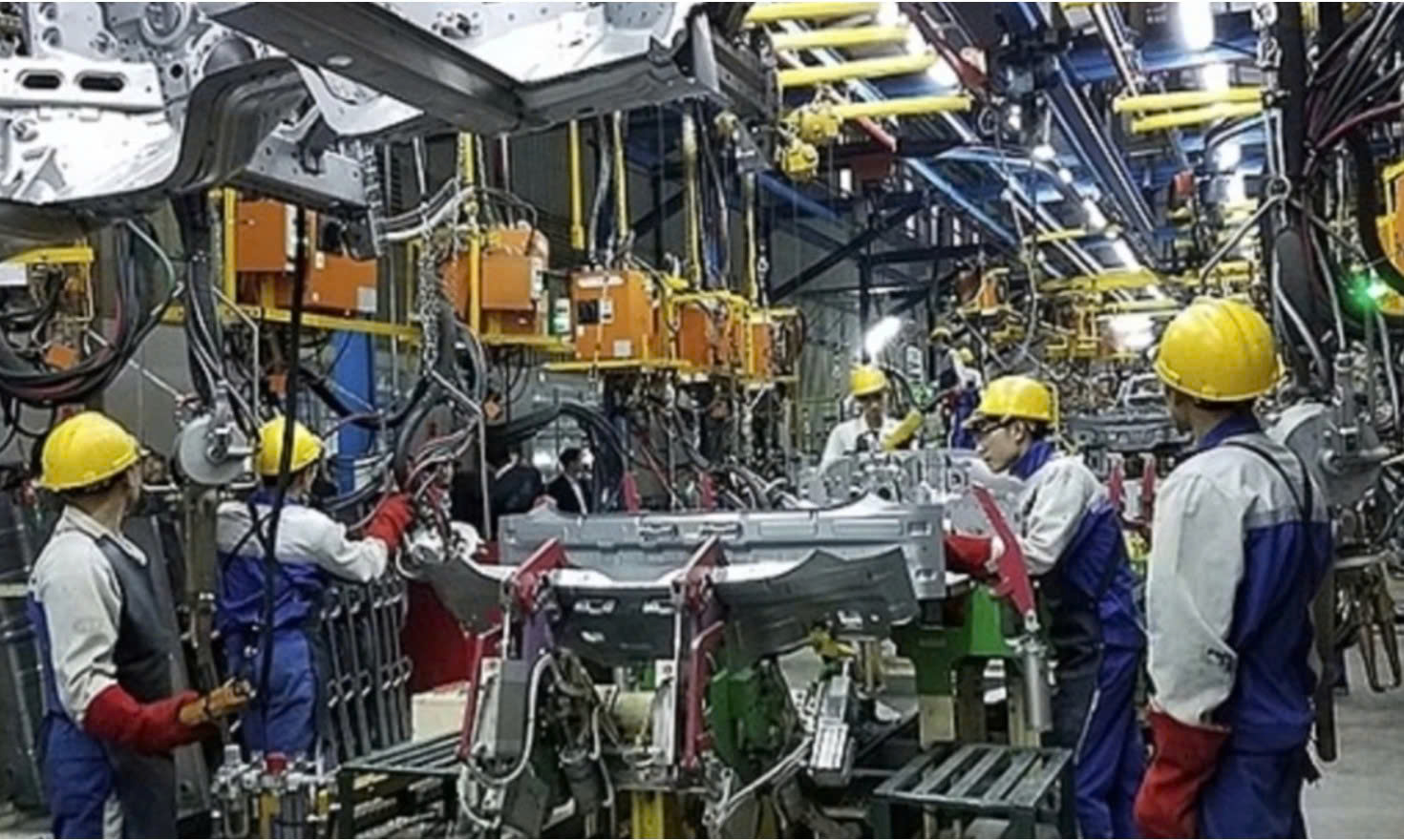
The resolution affirms that the foreign-invested sector is an important component of the national economy and should be encouraged to develop over the long term on an equal footing with other economic sectors.
It also calls for a shift from a mindset of “attracting capital” to one of “developing a national strategic investment platform”, with quality, efficiency, technology, innovation, technology transfer and linkages with domestic enterprises serving as the primary criteria. The resolution stresses that investment should not be attracted at all costs, nor should environmental protection, social welfare, national defence or security be traded off for growth.
The development of the foreign-invested sector is also linked to the goal of building a new growth model based on science and technology, innovation, digital transformation and the green transition.
Commenting on the significance of Resolution No. 10 alongside Resolution No. 68 on the private economic sector and Resolution No. 79 on the state sector, economist Dr Nguyen Minh Phong says the issuance of the resolution on foreign direct investment (FDI), following those on the private and state sectors, now covers all three business sectors, including private enterprises, state-owned enterprises and FDI enterprises.
According to Phong, the three resolutions covering these sectors have created a highly important institutional foundation that is synchronised, comprehensive, timely and up to date.
They open the way for a breakthrough in thinking while creating a better ecosystem for investment activities across all three sectors. The resolutions also aim to generate spillover effects, strengthen linkages and create synergies in pursuit of the country’s development goals in the new era.
Regarding the shift from a mindset focused primarily on attracting capital to one centred on developing a national strategic investment platform, as well as the gradual transition from input-based incentives to support tied to the fulfilment of commitments, Phong described the move as an especially important directive that reflects a major shift in the Party’s thinking as well as in orientations, plans and solutions for attracting FDI.
The new policy direction places FDI within the framework of national development, particularly in relation to technology, sustainable development and the country’s broader development objectives, he added.
At the same time, it creates both a filter and an ecosystem that guide investment towards common development goals while screening out projects that are not consistent with those goals, especially when incentives are linked to actual results rather than commitments to attract investment at any cost.
According to Phong, this creates an incentive ecosystem based on national goals and sustainable development orientations, while also taking into account the actual contributions of the FDI sector. This will serve as an effective filter for identifying and securing substantive and efficient FDI projects in the time ahead.
Discussing the role of Resolution No. 10 in achieving double-digit economic growth, Phong noted that with the completion of the final policy piece for the FDI sector, Vietnam will gain the combined strength of the private economic sector, the state sector and the FDI sector, creating a powerful growth driver based on technology, innovation and the achievements of the Fourth Industrial Revolution.
He said this will help accelerate Vietnam’s development, enabling the country not only to achieve double-digit growth but also to move beyond the middle-income trap, thereby laying the foundation for more advanced, modern, productive, high-quality, efficient and sustainable development.
Source: VOV
Original link