
FDI into HCM City surges, targeting seaport and AI infrastructure
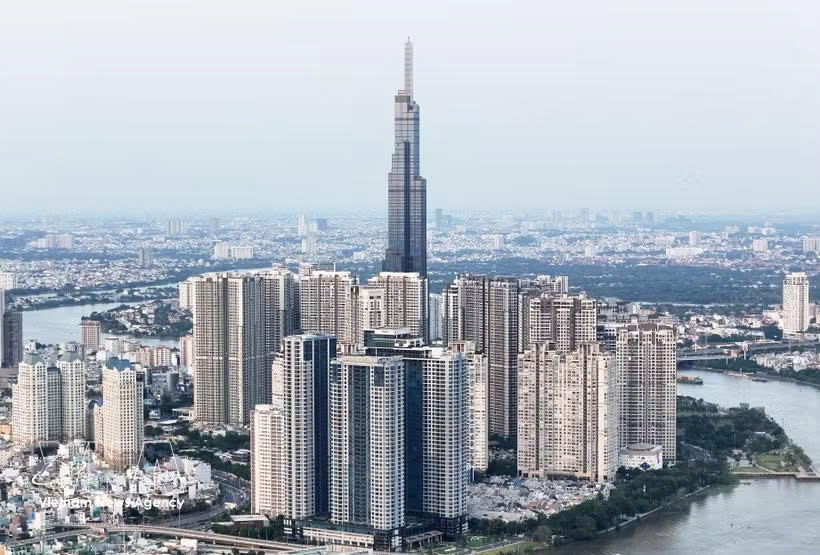
Registered foreign direct investment (FDI) in Ho Chi Minh City had topped US$17.2 billion as of September 19, 2026, about 4.19 times the figure recorded a year earlier and equivalent to 156.6% of the full-year target.
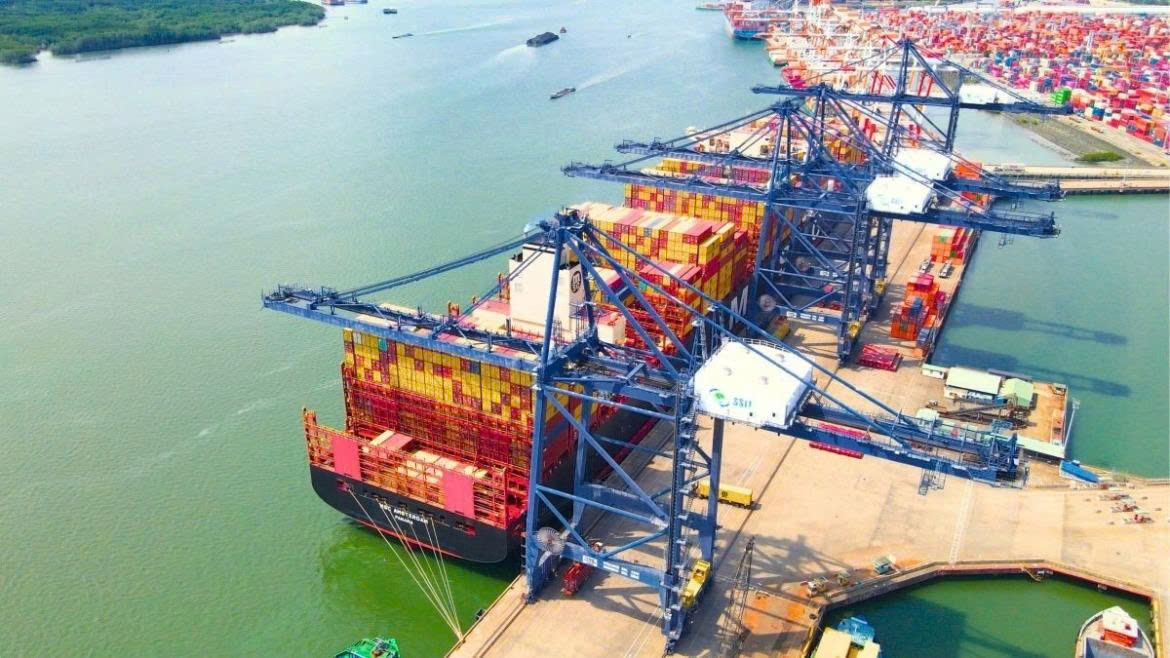
The surge in FDI into Ho Chi Minh City is accompanied by the emergence of large-scale projects in sectors identified as important to the city’s new development space, ranging from seaport and logistics infrastructure to digital infrastructure and artificial intelligence.
Among them, the Can Gio International Transshipment Port has total investment of more than US$4.9 billion, while the AI data centre project has an estimated investment of about US$2.1 billion. Together, the two projects account for nearly US$7 billion of the city’s registered FDI as of mid-September.
FDI flows into strategic infrastructure
The Can Gio International Transshipment Port is classified as a special-grade seaport project. Its investment policy has been approved, paving the way for the development of a major international transshipment hub in the city.
The project is expected to strengthen Vietnam’s capacity for international cargo transshipment, expand maritime connectivity and create additional room for logistics, transport, trade and related services.
With its location along an international shipping route and its large-scale design, the port is part of Ho Chi Minh City’s broader ambition to develop a logistics hub with deeper links to regional and global supply chains. The city is also continuing to improve supporting infrastructure to enhance connections between the port and production and logistics areas.
Meanwhile, the AI data centre project at Tan Phu Trung Industrial Park has an estimated investment of about US$2.1 billion, with plans to develop computing, data storage and processing infrastructure for artificial intelligence applications and the digital economy. The project is expected to include a 50MW AI factory and around 28,000 GPUs in total IT load.
The two projects therefore highlight the diversity of new FDI entering Ho Chi Minh City as one is linked to physical infrastructure and international trade connectivity, while the other focuses on digital infrastructure and computing capacity. Both areas are among the sectors the city is prioritising as it expands its economic space and seeks to attract higher-value investment.
Beyond newly licensed projects, some investors have also proposed increasing capital for projects already under development. These include a proposed additional investment of about US$2.8 billion in the International University Urban Area project and about US$1.4 billion in the Smart Complex project in Functional Zone 2a of Thu Thiem New Urban Area, reflecting continued demand for large-scale investment in the city.
From registered capital to real economic capacity
With more than US$17.2 billion in registered FDI as of September 19, Ho Chi Minh City had exceeded 56.6% of its full-year investment attraction target. The city expects total registered FDI to reach about US$19 billion in 2026, equivalent to 172.7% of the annual target.
Registered capital, however, is only the starting point of the investment process. The next challenge is to turn those commitments into operational projects, production and business capacity, and tangible value for the economy.
According to the Ho Chi Minh City Department of Finance, the city will coordinate efforts to address bottlenecks in investment procedures and project implementation, alongside promoting linkages between FDI projects and domestic businesses through the supply of goods and services as well as workforce training.
This approach is particularly important for large-scale projects that require broad supporting ecosystems. For seaports, investment efficiency depends not only on port capacity but also on integrated logistics networks and supporting connectivity infrastructure. For AI infrastructure, the value of the investment is closely linked to its ability to connect with the technology ecosystem, businesses and a highly skilled workforce.
FDI inflows are therefore expected to bring more than financial resources to Ho Chi Minh City. They could also help build new capabilities in logistics, digital infrastructure, technology and high-value services, supporting the city’s shift toward a higher-value economic development model.
Source: VOV
Original link