Please <a href='/login'>Login</a> to use our services.
If you are not our member, <a href='/register'>please register here </a> or contact us via email support@ipavietnam.org for our further support.


Vietnam’s information technology industry is experiencing rapid growth and plays a key driving role in the digital economy. Artificial intelligence, machine learning, and generative AI are increasingly becoming foundational technologies across many sectors such as customer service, e-commerce, and finance, enabling businesses to innovate their business models and optimize costs. Among these, generative AI is regarded as a “strategic weapon” for fostering innovation and enhancing productivity.
At the same time, big data, data analytics, and business intelligence are being given top priority, leading to a growing demand for data and BI professionals. Recognizing the critical role of information technology, the Government and universities are intensifying workforce training and expanding international cooperation programs to improve the quality of the technology talent supply.
Notably, new government orientations and policies are gradually completing the legal framework for the digital economy, while significantly increasing investment in science and technology and promoting digital transformation within the state apparatus. Development priorities focus on data, artificial intelligence, the digital technology industry, and cybersecurity, creating a favorable foundation for both domestic and foreign businesses and investors.
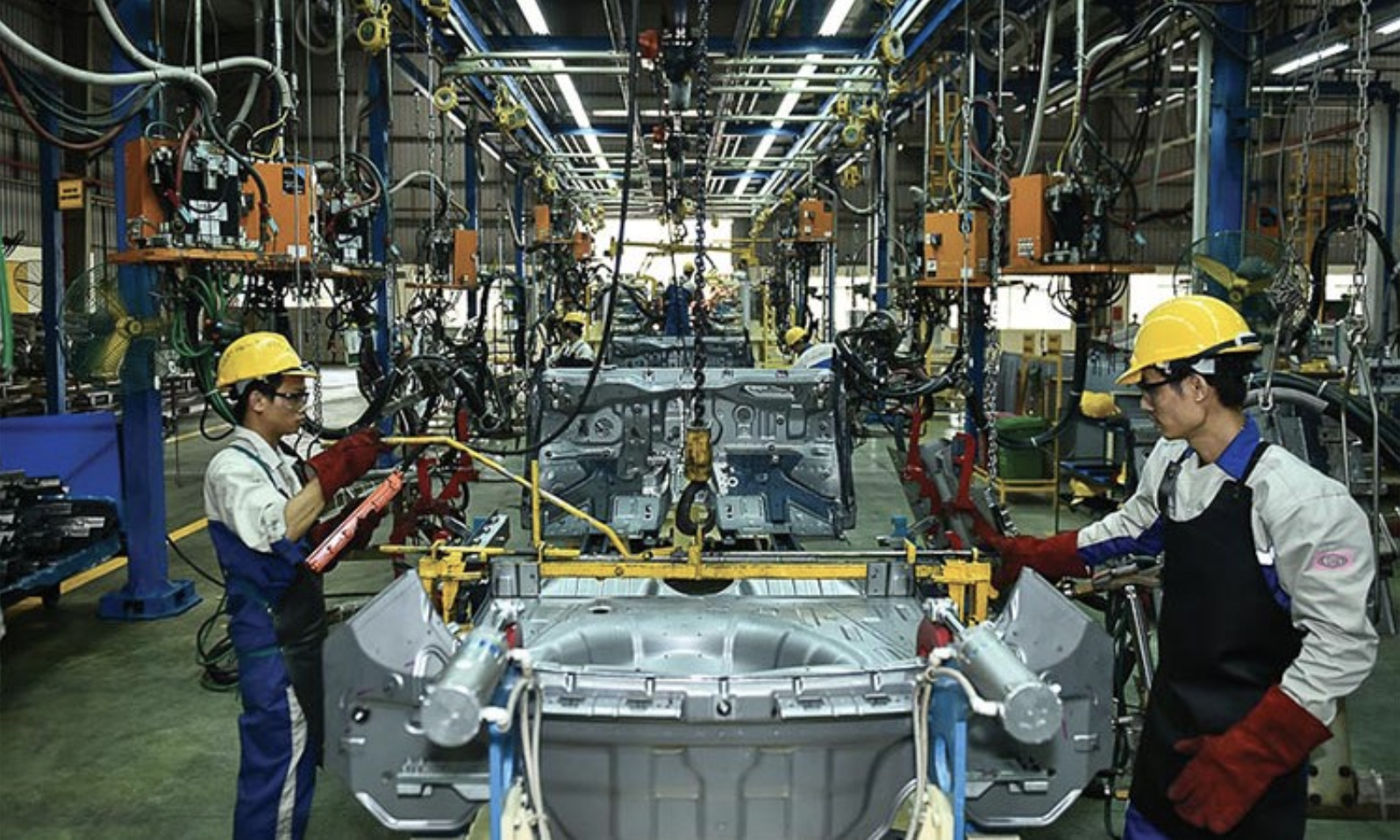
Vietnam’s manufacturing and service sectors are undergoing a strong shift toward high technology and higher value-added activities. Manufacturing continues to serve as a key pillar of the economy, contributing nearly 30% of GDP. Within this sector, electronics and computers are leading industries, with the presence of major multinational corporations such as Samsung, LG, and Intel, while Vietnam is gradually integrating more deeply into the global semiconductor and chip supply chains. The mechanical and manufacturing industry focuses on industrial machinery, automobiles, and motorcycles. Textiles and garments, as well as leather and footwear, remain core export sectors, alongside materials production and food and beverage processing, which have long been national strengths.
The service sector accounts for approximately 40.8% of the workforce and is becoming increasingly modernized. Trade and retail are growing strongly, driven by the expansion of the middle class and the rapid growth of e-commerce at 15–20% per year. Tourism and hospitality have recovered beyond pre-pandemic levels, emerging as a bright spot within ASEAN. Logistics and transportation are developing in parallel with infrastructure investment, supporting exports, imports, and e-commerce. Information technology and telecommunications are expanding rapidly in software, cybersecurity, and AI, while finance, banking, and insurance are accelerating digitalization and high value-added services.
In the coming period, Vietnam’s industrial and service sectors will focus on green manufacturing, comprehensive digital transformation, and attracting investment into high-tech industries, particularly semiconductors and pharmaceuticals.

Vietnam’s tourism industry is recording breakthrough growth, with more than 21.5 million international arrivals and total revenue exceeding VND 1 quadrillion, up about 19% year on year, reaffirming its increasingly prominent position on the regional and global tourism map.
Vietnam has developed a diverse tourism product system, focusing on five key segments: (1) Coastal and island tourism combined with high-end resorts and cruise tourism; (2) Cultural and heritage tourism associated with historical sites, festivals, and traditional craft villages; (3) Ecotourism and green tourism linked to biodiversity and rural areas; (4) Urban tourism featuring MICE, night-time economy, and new tourism products; (5) Community-based tourism centered on local and indigenous experiences.
Many standout products have attracted and continue to attract international markets, such as luxury resorts in Phu Quoc, Nha Trang, Amanoi, and Vinpearl Hon Tam; heritage destinations including Hanoi, Hue, Hoi An, and Ninh Binh; ecotourism in Ha Long, Phong Nha–Ke Bang, Sa Pa, and Cuc Phuong; community-based tourism models in Tan Hoa and ethnic minority homestay areas; along with emerging products such as night tourism, MICE, and industrial tours.
In terms of the policy environment, Vietnam continues to expand unilateral visa exemptions, implement e-visas for citizens worldwide, extend permitted lengths of stay, and strengthen air and rail connectivity to create maximum convenience for international visitors.
For businesses and investors, a range of incentive policies is being implemented, including reductions in travel service licensing fees, application of industrial electricity pricing for accommodation facilities, land rent reductions, preferential credit support, workforce training, and digital transformation support. At the same time, the government is promoting public–private partnerships, establishing a Tourism Development Support Fund, investing in high-quality infrastructure, and strengthening sustainable development management, creating an attractive foundation for long-term investment in Vietnam’s tourism industry.
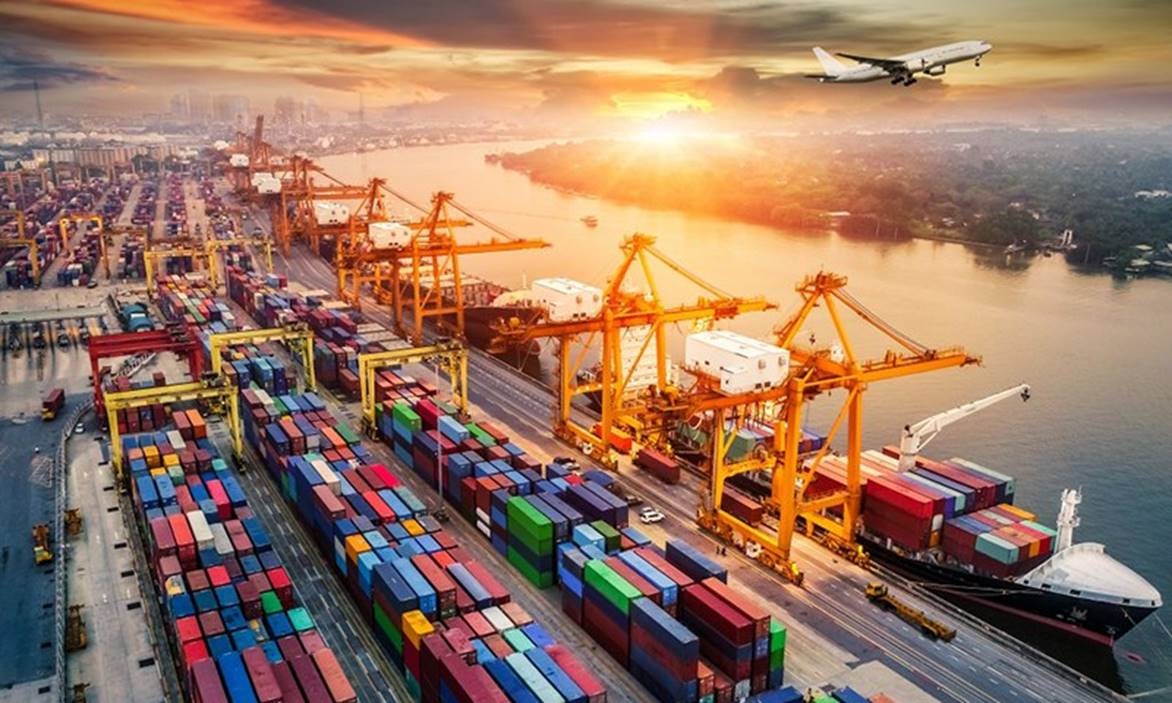
Vietnam’s logistics industry continues to maintain a high growth rate of approximately 14-16% per year, with a market size of around USD 45-50 billion, equivalent to nearly 10% of GDP, and is ranked among the world’s Top 10 emerging logistics markets. Despite global economic volatility and rising transportation costs, logistics remains a key sector in stabilizing supply chains and promoting exports and imports.
Investment strategies prioritize transport infrastructure, trade facilitation, and digitalization, with the development of major logistics hubs in key economic regions such as the Red River Delta, the Southeast, and the Central region. Key solutions include upgrading seaports, airports, inland container depots (ICDs), international intermodal railways, and developing green logistics and smart warehousing to support e-commerce.
Vietnam has planned international logistics hub clusters across the North, Central, and Southern regions, closely linked to gateway seaports and airports. The North has seven Grade I-II logistics centers, the Central and Central Highlands region has six centers, and the South has five large-scale centers (30-70 hectares). Priority is given to Hanoi, Ho Chi Minh City, Hai Phong, and Da Nang as regional supply chain connection nodes. According to Lloyd’s List 2025, three Vietnamese ports ranked among the world’s Top 100 container ports: Ho Chi Minh City Port (22nd, approximately 9.1 million TEUs), Hai Phong Port (29th, approximately 7.1 million TEUs), and Cai Mep Port (30th, approximately 7.0 million TEUs).
According to the World Bank (WB), Vietnam ranked 43rd out of 139 countries in the Logistics Performance Index (LPI) in 2023, with a target to reach the Top 40 by 2035. Vietnam’s global connectivity advantage stems from its strategic geographic position at the center of Southeast Asia, with multimodal connectivity by road, sea, air, and rail to China and international markets, supporting global supply chains. New-generation free trade agreements (FTAs) and international gateway infrastructure further enable Vietnam to develop into a regional cargo transshipment hub.

Vietnam is emerging as a fast-growing green building market in the region, with a sharp increase in the number of projects obtaining LEED, LOTUS, EDGE, and other certifications. These projects are concentrated in Ho Chi Minh City, Hanoi, and Binh Duong, and are expanding across various building types, from residential and office buildings to logistics facilities and manufacturing plants. Supportive policies, together with sustainable development and Net Zero targets, are providing strong momentum for the market.
The construction materials structure is shifting toward greener alternatives. In addition to traditional materials such as cement, steel, bricks, and glass, the share of non-fired materials, energy-efficient glass, and low-emission paints is steadily increasing. Construction companies are gradually adopting BIM, IoT, and AI in design, construction, and operations, while integrating energy modeling and life-cycle cost analysis to optimize building performance. In parallel, automation, modular construction, 3D printing, and data-driven management are seen as long-term pathways to improve productivity and reduce waste.
Vietnam’s construction materials industry is also transitioning from high-volume, low-value exports to high-quality, environmentally friendly products that meet green standards and certifications, thereby enhancing access to demanding international markets.
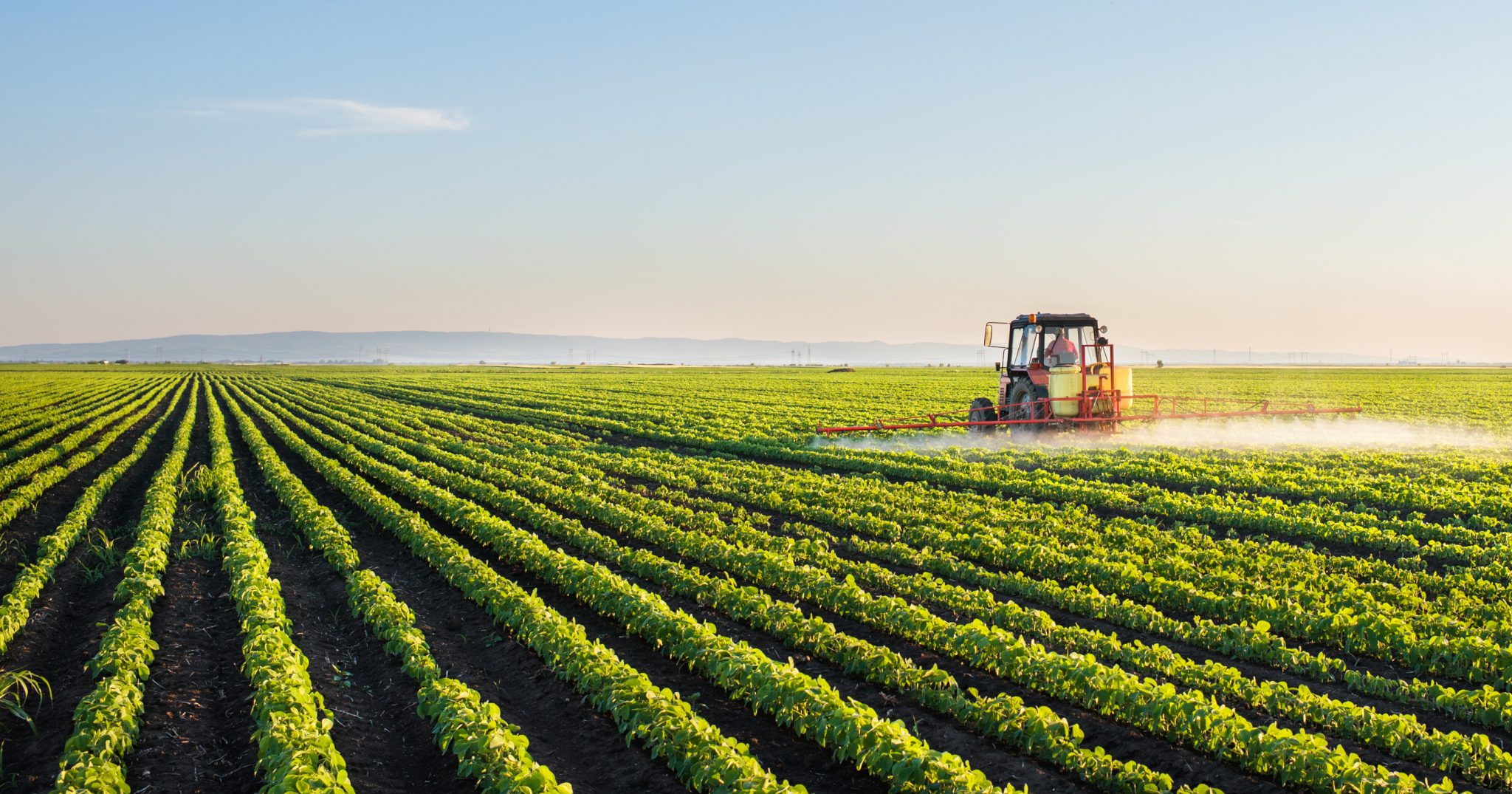
Vietnam’s agriculture is undergoing a strong transformation from “agricultural production” to an “agricultural economy,” with a focus on green development, high quality, digitalization, and close integration with export markets. Rather than pursuing volume alone, the sector is emphasizing value chain development, branding, traceability, and value-added creation.
Major trends include green, ecological, circular, and organic agriculture, alongside emission reduction and climate change adaptation. A notable example is the one-million-hectare program for high-quality, low-emission rice cultivation in the Mekong Delta. Vietnamese agricultural products are increasingly focused on quality standards, food safety, planting area codes, and packaging to meet the stringent requirements of international markets.
At the same time, high-tech agriculture and digital transformation are being accelerated through the application of sensors, automation, big data, biotechnology, and new crop varieties. Databases on land, cultivation areas, and digital platforms for managing the entire production-processing-consumption chain are being developed, aiming to establish a comprehensive digital agriculture ecosystem by 2030.
In terms of policy, the Government has issued Decree No. 09/2025/ND-CP to provide timely support for farmers affected by natural disasters and pest outbreaks. In parallel, it is promoting the development of cooperatives and cooperative groups, strengthening safe agricultural supply chain linkages, and ensuring that 100% of OCOP products are traceable, thereby creating a solid foundation for sustainable agriculture and attracting long-term investment.

Food and beverage trends in Vietnam are shifting strongly toward health, sustainability, and local flavors, with rising demand for low-sugar, plant-based, and non-alcoholic products. Consumers, especially Gen Z and Millennials, are prioritizing healthier options such as reduced-sugar beverages, natural fruit juices, and nut-based snack products.
Beyond health considerations, Vietnam’s F&B market is also witnessing rapid growth in beverages that deliver sensory and emotional experiences, combining flavor, texture, color, and brand storytelling. Functional drinks, herbal beverages, naturally fermented drinks, as well as personalized product lines are becoming increasingly popular, indicating that the boundaries between refreshment, nutrition, and emotional experience are gradually blurring.
The F&B market is expected to continue positive growth driven by strong consumer confidence, despite pressure from rising input costs. Nearly 50% of F&B businesses plan to adjust prices; however, growth momentum is expected to be sustained through omnichannel distribution, e-commerce, and dynamic competition in personalized, experience-rich summer beverage products.